A parking lot that survives a Louisiana summer without visible damage rarely makes it through unscathed. Months of intense heat soften the surface and stress every existing crack, and property owners usually don’t see the full extent of it until the pavement finally cools down. What most don’t realize is that the moment it cools down is also the best window they’ll get all year to fix it, before the rain moves back in.
For property managers and business owners across Prairieville, Baton Rouge, Gonzales, and the surrounding parishes, fall isn’t just a pleasant break from summer heat. It’s a narrow scheduling window that determines whether repairs happen efficiently now or turn into bigger, rain-complicated problems later.
In this article:
- Why Louisiana Property Owners Get One Good Repair Window Each Year
- What Summer Heat Leaves Behind by the Time Fall Arrives
- Why Asphalt Repair Depends on Dry Conditions to Actually Work
- How Rising Fall and Winter Rainfall Complicates Repair Timing
- Why Waiting Until Spring Storm Season Raises the Stakes
- What a Fall Repair Priority List Should Look Like
- How Multi-Site and Commercial Properties Should Plan Around Weather
- The Fall Asphalt Repair Checklist at a Glance
- Frequently Asked Questions
- When to Schedule Asphalt Repairs Before the Rain Moves In
Why Louisiana Property Owners Get One Good Repair Window Each Year
Louisiana’s climate doesn’t give property owners the long, gradually cooling autumn that other regions get. Summer heat holds on late into the year, and once it breaks, the state moves fairly quickly into a wetter, cooler stretch that runs through winter.
That compressed transition matters because asphalt repair work depends heavily on weather cooperating for several consecutive days at a time. The stretch between the worst of summer heat and the start of consistent fall and winter rain is often the most reliable block of workable weather Louisiana properties get all year. Missing it usually means waiting for scattered dry days through a wetter season, which makes scheduling repairs far less predictable.
What Summer Heat Leaves Behind by the Time Fall Arrives
Extreme heat doesn’t just make pavement uncomfortable to walk on. It actively works on existing weaknesses throughout the summer months.
As asphalt heats up, it becomes more pliable, which allows heavy vehicles, especially those that turn sharply or sit idling in one spot, to push, rut, or deform softened areas. Existing cracks widen slightly as the surrounding pavement expands and contracts through daily heat cycles. By the time temperatures start dropping in the fall, most commercial lots are carrying more surface damage than an owner would guess from a quick visual check.
This is exactly why a fall inspection tends to turn up more than expected. The damage accumulated all summer. Fall is simply the first practical opportunity to address it.
Why Asphalt Repair Depends on Dry Conditions to Actually Work
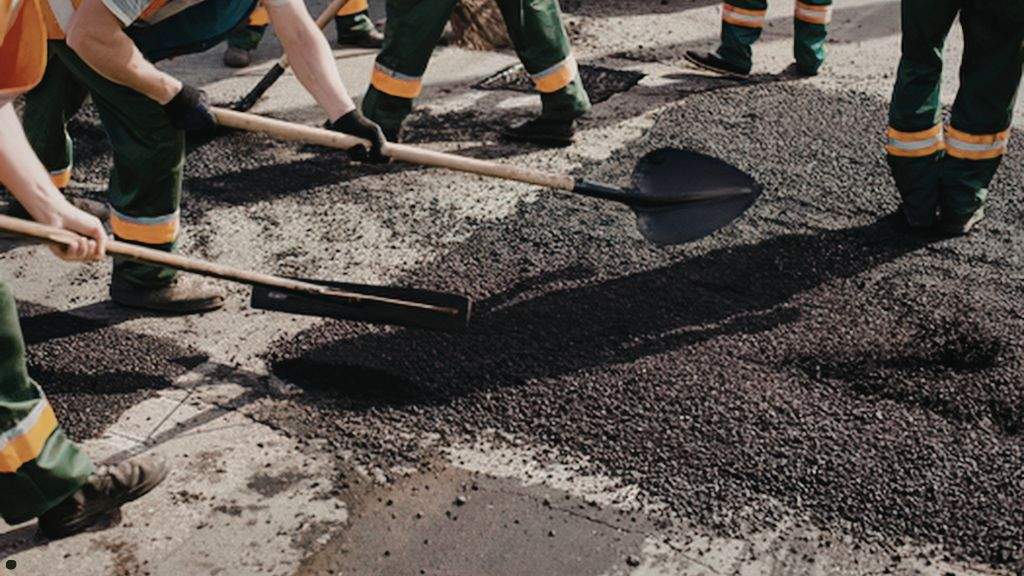
Asphalt repair, whether it’s patching, crack sealing, or resurfacing a section, requires the pavement base and surrounding material to be dry enough for proper adhesion and compaction. Moisture trapped beneath a patch or sealant prevents a solid bond from forming, which is part of why repairs rushed during a rainy stretch tend to fail faster than the same repair done under dry conditions.
The crews at Mike Young Paving, who have repaired commercial and residential pavement across Greater Baton Rouge since 1987, generally treat a stretch of consistent dry weather as more valuable to a repair’s long-term success than almost any other single factor. Get the timing right and a patch can hold for years. Get it wrong and the same patch can start failing within a single wet season.
Fall’s relatively dry, moderate stretch gives repair work the best chance to cure properly before the next round of rain arrives.
How Rising Fall and Winter Rainfall Complicates Repair Timing
Once Louisiana’s rainy season sets in, scheduling repair work becomes a game of finding gaps between storms rather than planning around a predictable calendar.
Standing water on a damaged lot doesn’t just delay a repair crew from starting work. It actively makes existing problems worse while everyone waits. Water pooling in a crack or a low spot works its way beneath the surface, softening the base and widening the damage the longer it sits there. A pothole that could have been patched in October as a straightforward repair can grow into a larger base failure by January if repeated rain keeps preventing the work from happening.
Getting ahead of that cycle in the fall, before rainfall becomes the dominant weather pattern, is what keeps small repairs from turning into bigger ones over the course of a wet winter.
Why Waiting Until Spring Storm Season Raises the Stakes
Pushing pavement repairs past fall doesn’t just mean a longer wait. It means running the property through Louisiana’s wettest stretch of the year on pavement that’s already compromised.
Properties that enter winter and early spring with unaddressed cracks, potholes, or drainage issues often see those problems accelerate significantly once heavier storm activity picks back up. What would have been a routine fall repair can turn into an emergency call after a hard rain washes out a weakened section entirely, often at a moment when scheduling a crew quickly is harder because every other property with the same problem is calling at once.
Addressing repairs in the fall avoids that scramble and keeps a property ahead of the season rather than reacting to it.
What a Fall Repair Priority List Should Look Like
Not every crack or worn area needs the same level of urgency, and a fall walkthrough is the right time to sort that out before scheduling work.
Priority should start with anything that affects safety or drainage, potholes in drive lanes, cracks near pedestrian paths, and low spots that already show signs of pooling water. Structural concerns come next, including alligator cracking or sections where the base appears to be failing beneath the surface. Cosmetic issues, such as minor surface wear or fading that doesn’t affect function, can typically wait for a broader maintenance cycle if the fall schedule is tight.
Sorting issues this way helps property managers get the most urgent work done within the fall window even if budget or scheduling constraints mean not everything gets addressed at once.
How Multi-Site and Commercial Properties Should Plan Around Weather
Owners managing more than one property across the region face an added layer of complexity, since a single fall weather window has to stretch across multiple sites instead of just one.
Coordinating inspections across all locations early in the fall, rather than waiting for individual sites to report problems, gives a clearer picture of which properties need repair work first. Properties with heavier commercial traffic or larger paved areas generally accumulated more summer damage and may need to move up the priority list, while smaller sites with lighter use can often wait slightly longer within the same fall window without added risk.
The Fall Asphalt Repair Checklist at a Glance
For property managers planning a fall pavement review, this covers the essentials:
- Walk every paved surface on the property, not just the areas that look obviously damaged
- Check for cracking, rutting, or soft spots left over from summer heat
- Note any low areas or drainage points where water has started to pool
- Prioritize safety and drainage issues first, structural concerns second, cosmetic wear last
- Schedule repair work during the driest available stretch of the fall season
- Photograph and log each issue with its location before requesting a quote
- Get multi-site properties inspected together so priority can be set across all locations
- Confirm repair work with a contractor early, since the fall dry window doesn’t last long
Frequently Asked Questions
Why can’t asphalt repairs be done during Louisiana’s rainy season?
Repairs need dry conditions for proper adhesion and compaction. Moisture trapped in the pavement during the repair process prevents a solid bond from forming, which shortens how long the repair lasts.
Is fall really better than summer for asphalt repair in Louisiana?
In most cases, yes. Extreme summer heat can soften pavement and complicate proper compaction, while fall’s more moderate temperatures and drier stretch tend to give repairs a better chance to cure fully before rain returns.
What happens if repairs wait until winter?
Winter and early spring bring heavier, less predictable rainfall, which makes scheduling harder and gives existing damage more time to worsen while everyone waits for a dry stretch.
Can repair work still happen during hurricane season?
Scheduling around Louisiana’s hurricane season requires flexibility, but the calmer stretch that typically follows late summer still offers a workable window before winter rain patterns settle in.
How do multi-site property owners prioritize repairs across several locations?
Inspecting all locations together early in the fall, rather than reacting site by site, makes it possible to rank repairs by urgency and get the most critical work done within the available weather window.