
A public works director sits down in early fall with a paving line item that still shows available funds and a calendar that looks like there’s plenty of time left. Then the bid process starts. Specifications have to be drafted, the project has to be advertised for the required period, bids have to be reviewed and awarded, and only after all of that does a crew ever set foot on the site. By the time the paperwork clears, the “plenty of time” that seemed available in September has often shrunk to a window too short to finish the work, let alone let it cure properly, before the budget cycle closes.
For parishes, municipalities, and public agencies across Louisiana, that gap between when a budget technically closes and when a paving project actually needs to start is the single biggest planning risk each year.
In this article:
- Why Year-End Is When Municipal Paving Budgets Either Get Used or Lost
- What Makes Public Sector Paving Projects Different From Private Contracts
- Why Formal Bid Timelines Eat Into the Repair Window Faster Than Expected
- How In-House Milling Capability Changes What a Tight Budget Can Actually Cover
- Why Weather Adds a Second Deadline on Top of the Budget Deadline
- What Multi-Site Municipal Properties Should Prioritize First
- How to Build a Paving Scope That Survives Budget Committee Review
- The Year-End Municipal Paving Planning Checklist at a Glance
- Frequently Asked Questions
- When to Start the Bid Process Before the Budget Window Closes
Why Year-End Is When Municipal Paving Budgets Either Get Used or Lost
Most municipal capital and maintenance budgets operate on a use it or lose it basis. Funds allocated for pavement repair, resurfacing, or a parking area rebuild don’t typically roll forward automatically, which means a project that isn’t awarded and underway before the budget cycle closes often means that funding disappears rather than simply carrying over to next year.
That structure puts real pressure on public works departments to move projects through planning and procurement early, rather than waiting until the final weeks of the cycle to start the process. The departments that treat the budget deadline as the finish line, instead of the starting gun for a bid process that takes time on its own, are the ones that end up scrambling or losing funding altogether.
What Makes Public Sector Paving Projects Different From Private Contracts
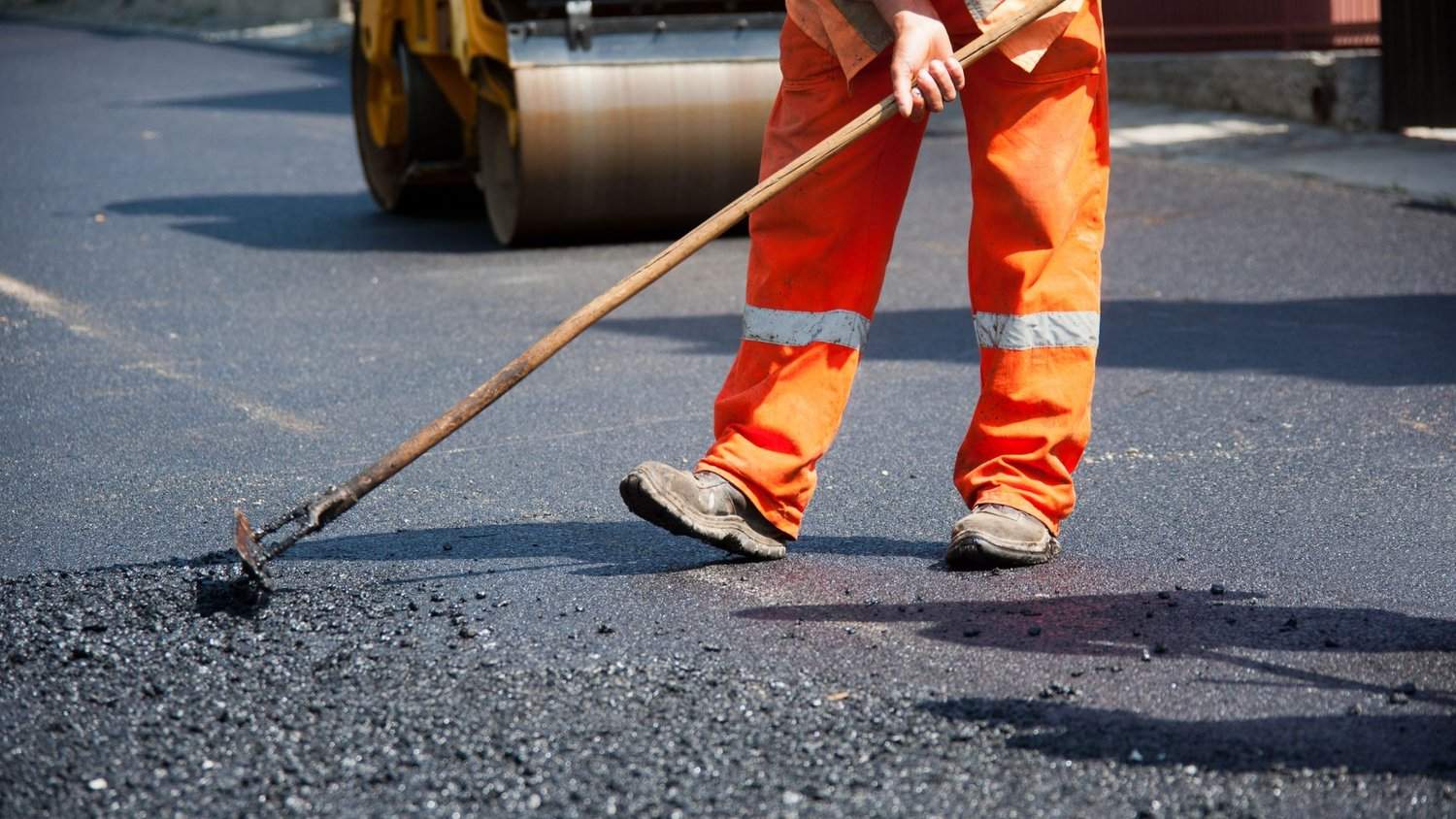
A private property owner can call a contractor, get a quote, and have a crew scheduled within a matter of weeks. Municipal and government paving projects rarely move that fast, and for good reason.
Public procurement rules exist to ensure fairness and transparency in how taxpayer funds get spent, but they also add structural steps that private contracts skip entirely. Specifications have to be written clearly enough to support an open competitive bid. Notices have to run for a required advertising period. Bids have to be received, reviewed, and formally awarded, often requiring sign-off from a board, council, or committee before a contract is finalized. None of that happens instantly, and each step has to be accounted for separately when building a realistic project timeline.
Why Formal Bid Timelines Eat Into the Repair Window Faster Than Expected
The mistake most public works planners make isn’t underestimating how long paving work takes. It’s underestimating how much of the calendar the process leading up to the work actually consumes.
Between drafting a scope of work, publishing the bid, allowing the required response window, reviewing submissions, and getting formal approval, weeks can pass before a contract is even signed. Add scheduling time on the awarded contractor’s calendar, and a project that seemed to have months of runway in early fall can suddenly be racing a hard deadline by the time work is cleared to begin. The paving itself, and the curing time it needs afterward, still has to fit somewhere inside whatever window remains.
How In-House Milling Capability Changes What a Tight Budget Can Actually Cover
When a budget is tight and the calendar is tighter, the efficiency of the contractor doing the work matters as much as the price on the bid.
Contractors who subcontract milling work to a separate company add both cost and scheduling dependency to a project, since the paving crew has to wait on someone else’s availability before work can even begin. Mike Young Paving, working with public agencies across Louisiana since 1987, keeps milling capability in-house specifically because it removes that dependency. For a municipality trying to fit a full project, milling, base repair, and resurfacing, inside a narrow year-end window, not having to coordinate around a second company’s schedule can be the difference between finishing on time and missing the deadline entirely.
Why Weather Adds a Second Deadline on Top of the Budget Deadline
Even a project that clears procurement in time still has to contend with Louisiana’s fall and winter weather pattern, which brings its own scheduling pressure independent of any budget cycle.
Paving and resurfacing work needs a reasonably dry stretch to proceed and to cure properly afterward. A project awarded late in the cycle, then delayed further by a run of rainy weeks, can end up in the same bind as a project that was simply started too late in the first place. Public works departments that build weather contingency into their timeline from the start, rather than assuming the calendar date on the budget approval is the only deadline that matters, tend to avoid that collision.
What Multi-Site Municipal Properties Should Prioritize First
Parishes and municipalities rarely have just one paved surface to manage. Public parking areas, municipal building lots, road segments, and public facility driveways often compete for the same limited budget line.
Prioritizing which sites move first should start with safety and liability exposure, drainage issues, potholes in high-traffic public areas, and any surface creating an accessibility concern. Structural deterioration on roads or lots with heavy public use should follow, with cosmetic resurfacing or lower-urgency lots addressed last if the budget or timeline runs tight. Reviewing all sites together early in the planning process, rather than site by site as complaints come in, makes it possible to build one coordinated scope that covers the most critical needs within the available funding.
How to Build a Paving Scope That Survives Budget Committee Review
A scope of work that gets approved quickly by a budget committee or council tends to share a few characteristics. It documents current pavement conditions clearly, often with photos and specific locations, so decision-makers aren’t asked to approve spending based on a vague description. It separates urgent safety-related work from lower-priority cosmetic items, which helps a committee understand what happens if the full scope isn’t funded. And it comes from a contractor experienced with public procurement, since a scope written without formal bid requirements in mind often has to be revised after submission, costing valuable weeks in an already tight timeline.
- Clear photo documentation of pavement conditions by site and location
- Prioritized list separating safety issues from cosmetic wear
- Realistic timeline accounting for bid advertising, award, and weather contingency
- Scope language that meets the jurisdiction’s formal procurement requirements
- Multi-site coordination where applicable, rather than separate scopes per location
The Year-End Municipal Paving Planning Checklist at a Glance
For public works departments working against a budget deadline, this covers the core planning steps:
- Inventory every paved site under the budget line, not just the ones with active complaints
- Prioritize sites by safety and liability exposure first, cosmetic wear last
- Draft a scope of work with clear documentation the budget committee can act on quickly
- Confirm the jurisdiction’s required bid advertising and review timeline before setting a start date
- Build in a weather contingency window rather than assuming the approval date is the only deadline
- Ask prospective contractors whether milling is in-house or subcontracted before awarding
- Coordinate multi-site work under one scope where possible to simplify scheduling
- Start the bid process early enough that procurement steps don’t consume the entire remaining window
Frequently Asked Questions
Why do municipal paving budgets need to be used by year-end?
Most public capital and maintenance funds don’t roll over automatically, so a project that isn’t awarded and started before the cycle closes often means that funding is lost rather than carried forward.
How long does a formal bid process take for a paving project?
It depends on the jurisdiction’s specific procurement rules, including how long a bid has to be advertised and how approval moves through a board or committee, so the timeline varies by agency and should be confirmed early in planning.
Can multiple municipal properties be bid under one contract?
In many cases, yes. Coordinating several sites under a single scope of work can simplify scheduling and give a public agency a clearer overall picture of cost and priority.
What happens if weather delays a public paving project after the budget closes?
This is exactly why building a weather contingency into the timeline matters. A project awarded on time but delayed by rain can end up facing the same funding pressure as one that started too late in the first place.
Does in-house milling reduce project costs for public agencies?
It can help by removing the scheduling dependency on a separate subcontractor, which is often more valuable to a tight timeline than any difference in price alone.